
Development of Vector Vario never stops. Safety is central to our concerns and regularly informs our discussions, both within the Vector Vario team and with other organisations.
Turbulence is probably one of the first things pilots talk about once they are back on the ground. Yet it is also one of the hardest phenomena to characterise objectively.
It can be highly localised in both space and time: two pilots passing the same spot just one minute apart will not necessarily encounter the same conditions. Perception of turbulence also varies with the equipment — wing or harness type — but above all with the pilot, their ability, experience, fatigue and even the element of surprise.
Ideally, we would therefore have a physical, objective and repeatable measurement, as independent of these factors as possible. With this in mind, we are developing a new algorithm to assess turbulence from the airspeed measured by Vector Vario. The aim is to reduce reliance on approximations and individual perceptions.
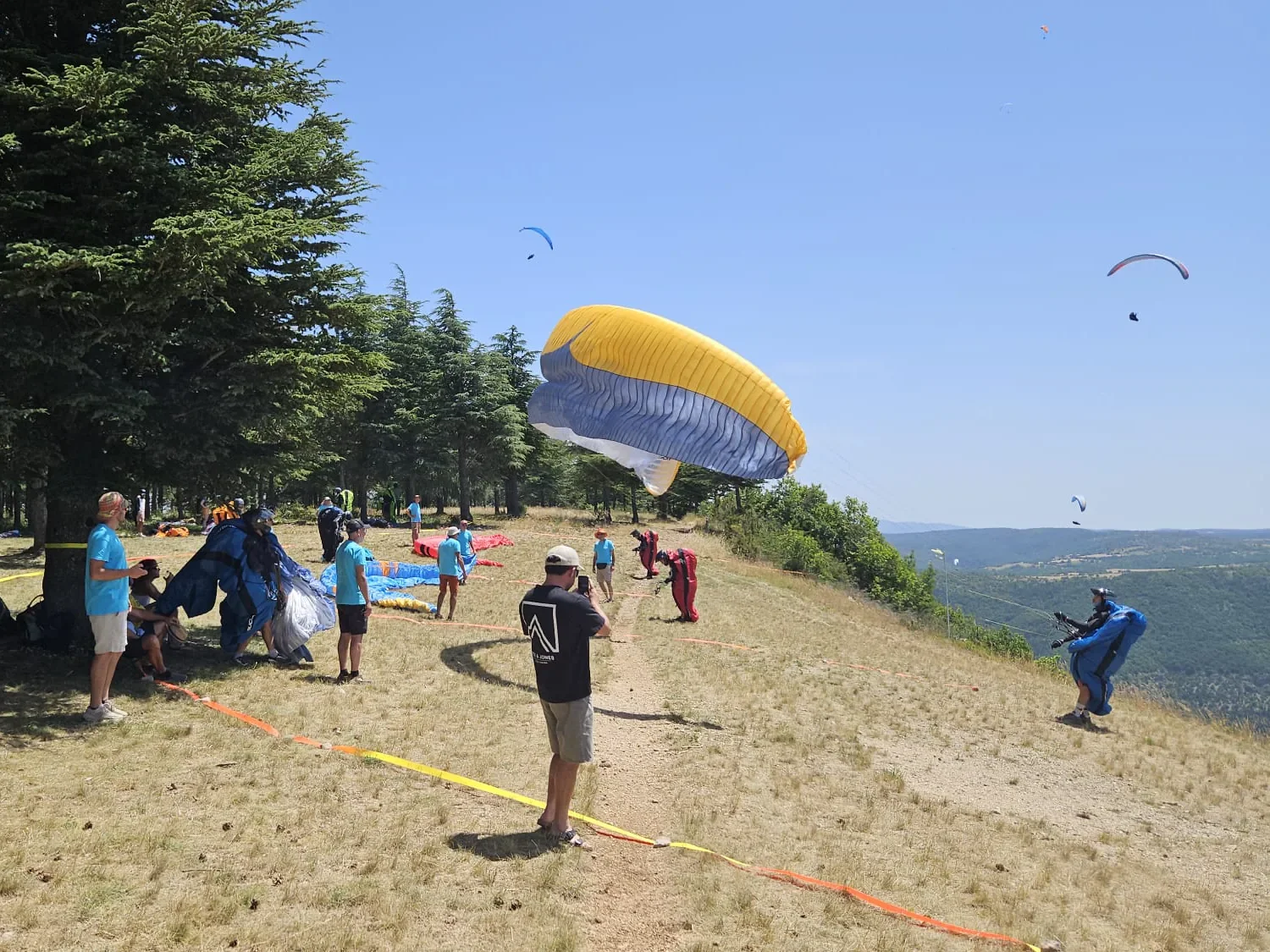
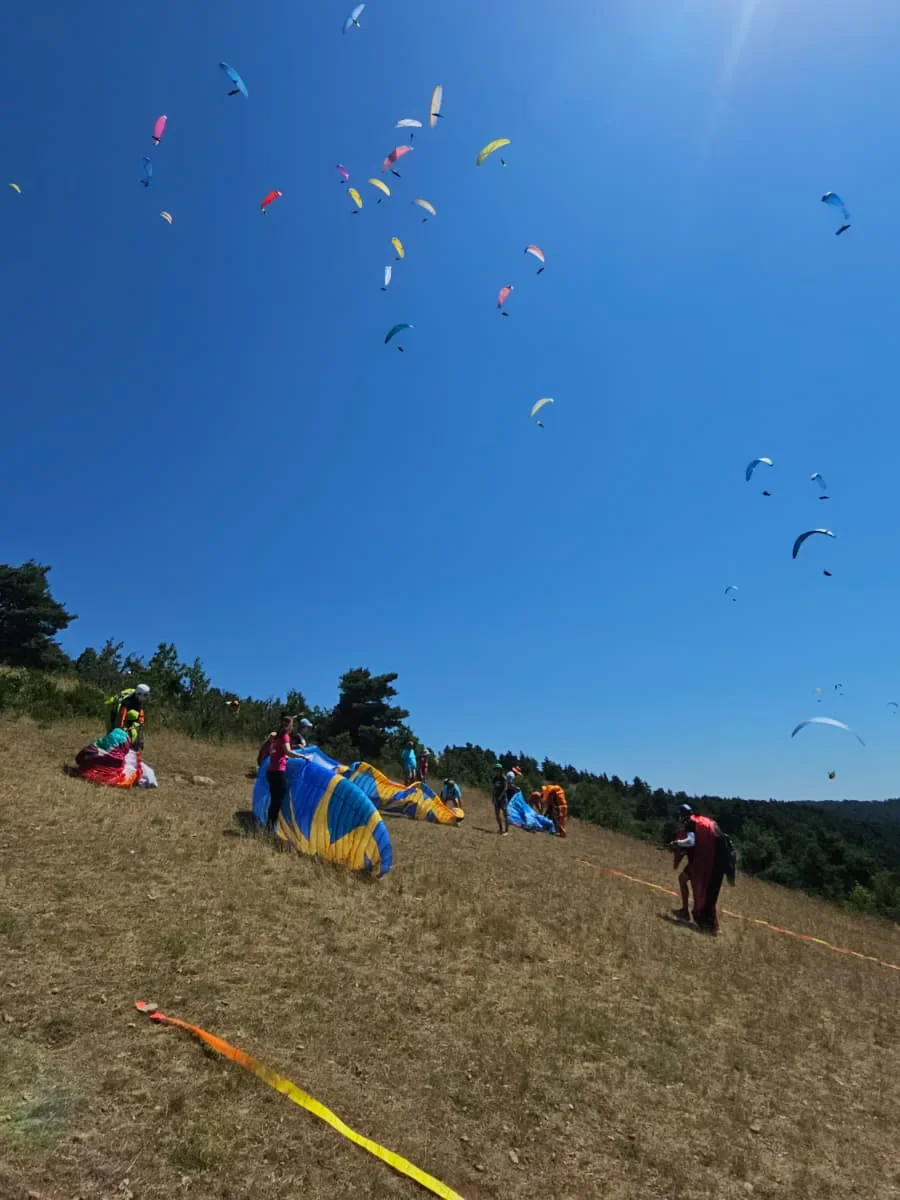
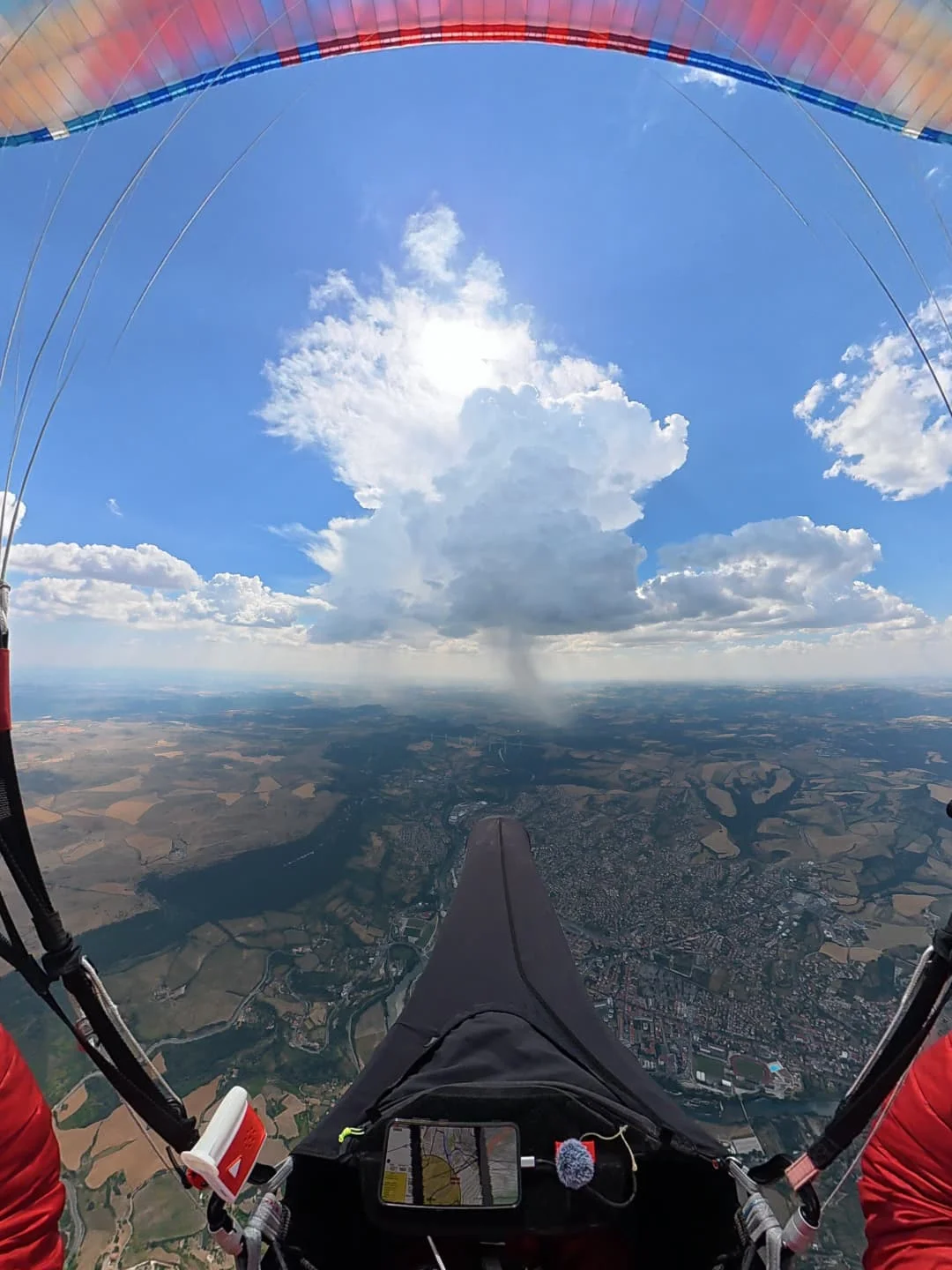
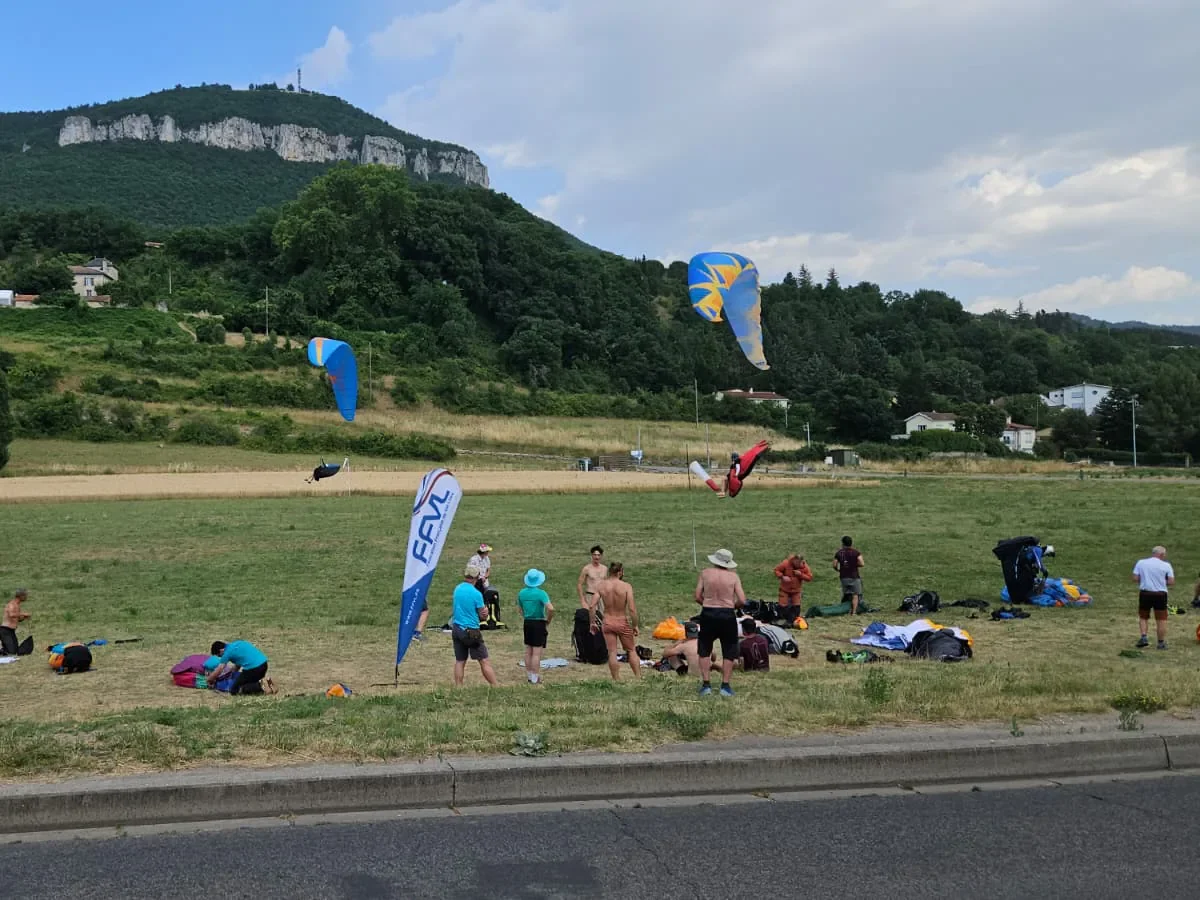
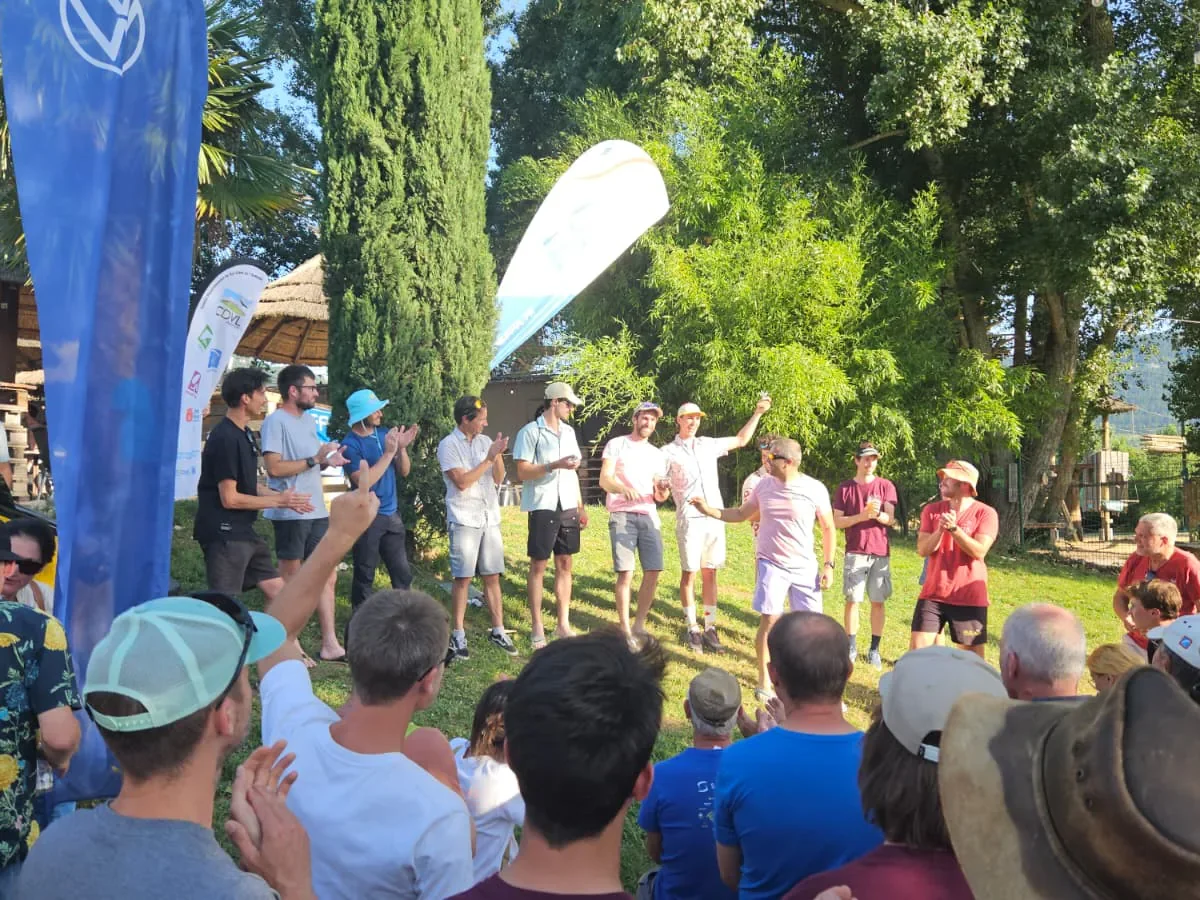
At the Pre-Paragliding World Cup held in Millau from 22 to 27 June 2026, we equipped around ten volunteer pilots with a Vector Vario running an experimental version of this algorithm. The aim was to collect flight data in a particularly interesting setting: pilots of a relatively similar standard, with comparable equipment, flying at the same time in the same air mass.
Despite occasionally challenging weather, the experiment was fascinating. The data collected will now help us refine and validate our algorithm ahead of its inclusion in an upcoming Vector Vario update.
Beyond building this valuable dataset, following the pilots, talking with them and sharing each task alongside them was an extremely rewarding experience. It was a real pleasure to meet you and share this adventure with you.
A huge thank you to all the pilots who took part, and especially to those who ultimately adopted Vector Vario!